The Ultimate Guide to Stopping Cat Shedding in 2026: Proven Solutions for a Hair-Free Home
Every cat owner knows the struggle: you’ve just finished vacuuming, and within minutes, a fresh layer of "feline glitter" (aka cat hair) has coated your sofa. While shedding is a natural biological process for cats, excessive hair loss can be frustrating for owners and sometimes a sign of underlying health issues for the cat.
In 2026, we have more advanced tools and nutritional insights than ever before to manage this problem. This comprehensive guide will walk you through why cats shed, how to distinguish normal shedding from medical issues, and the top-rated products that are changing the game for pet parents this year.
Table of Contents
1. The Science of Shedding: Why It Happens
Shedding is your cat’s way of getting rid of old, dead, or damaged hair. Most cats have a "double coat": a soft undercoat for insulation and a tougher topcoat for protection.
Seasonal Changes: Even in 2026, with most cats living indoors, their biology reacts to light cycles. You’ll notice a "blowout" in Spring and Fall.
Breed Differences: A Persian or Maine Coon will naturally shed more volume than a sleek Siamese or a Bengal.
The Indoor Factor: Constant indoor temperatures and artificial lighting can lead to "steady state" shedding all year round.
2. Normal Shedding vs. Potential Health Risks
Before reaching for a brush, it’s crucial to ensure your cat is healthy. According to veterinary standards, you should look for these warning signs:
Bald Patches: If you see skin, it’s not shedding; it’s hair loss (Alopecia).
Symmetrical Loss: Hair loss on both flanks often indicates a hormonal imbalance.
Skin Redness: This could signal allergies or parasites like fleas or mites.
Expert Tip: If your cat is "over-grooming" (licking a specific spot until it's bare), it is often a sign of stress or pain. Consult your vet before attempting home remedies.
3. Top 2 Product Recommendations for 2026
To tackle shedding effectively, you need tools that address both the surface hair and the deep undercoat. Based on performance reviews and durability, here are our top two picks.
Product 1: The Safari Self-Cleaning Slicker Brush
This is the gold standard for daily maintenance. It is gentle enough for sensitive cats but effective enough to grab loose fur before it hits your carpet.
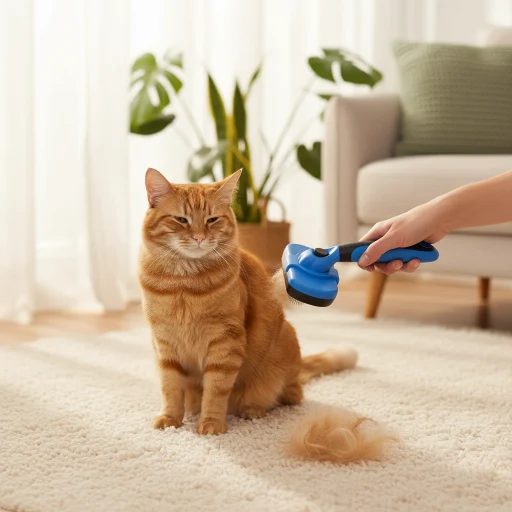
Pros: Easy "one-click" cleaning, stainless steel pins, ergonomic handle.
Cons: Not suitable for heavy mats or tangles.
Best For: All coat lengths, especially for daily use.
Product 2: The FURminator Undercoat Deshedding Tool
For those deep "tumbleweeds" of hair, the FURminator is a must-have. It reaches through the topcoat to remove loose undercoat hair without cutting the skin.
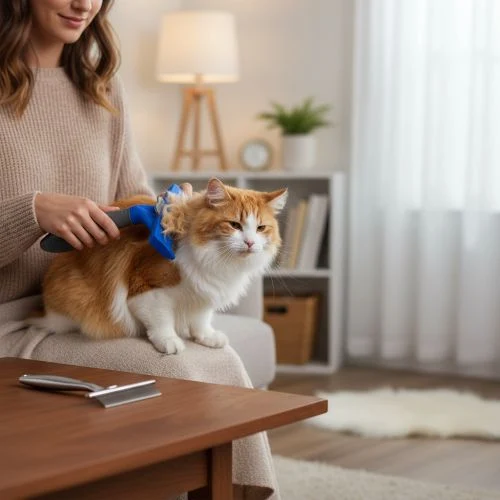
Pros: Reduces shedding by up to 90%, comes in specific sizes for long/short hair.
Cons: Higher price point, should only be used 1-2 times a week.
Best For: Heavy shedders and multi-cat households.
Comparison Table: Which Tool Do You Need?
| Feature | Safari Slicker Brush | FURminator Undercoat Tool |
| Primary Goal | Daily debris & surface hair | Deep undercoat removal |
| Frequency | Can be used daily | 1-2 times per week |
| Ease of Cleaning | High (Retractable pins) | High (FURejector button) |
| Price Point | Budget-friendly | Premium Investment |
4. Step-by-Step Grooming Strategy
To see a real difference in your home, follow this vet-approved grooming routine:
The Calm Start: Brush your cat when they are relaxed (e.g., after a meal).
Surface Sweep: Use the Safari Slicker to remove dust and surface tangles.
The Deep Dive: Use the FURminator in short, gentle strokes. Focus on the base of the tail and the shoulders, where fur is densest.
The Wipe Down: Finish by wiping your cat with a damp microfiber cloth to pick up any remaining loose "static" hairs.
5. Nutritional Hacks for a Stronger Coat
A healthy coat starts from within. If the hair follicle is strong, it stays attached to the cat longer.
Omega-3 Fatty Acids: Supplementing your cat’s diet with Wild Alaskan Salmon Oil is the #1 way to reduce shedding. It moisturizes the skin and strengthens the hair shaft.
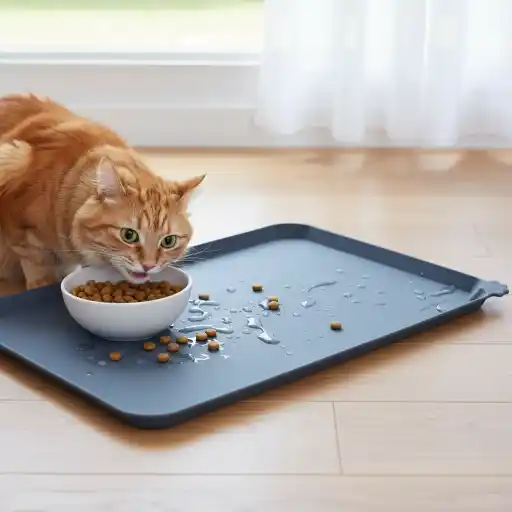
Hydration is Key: Dehydrated skin leads to brittle hair. In 2026, many owners are switching to Cat Water Fountains to encourage more drinking, which directly improves coat quality.
High-Protein Diet: Hair is made of Keratin (a protein). Ensure your cat's food lists a real meat source (like Chicken or Turkey) as the first ingredie
6. Frequently Asked Questions (FAQ)
Q1: Can I shave my cat to stop shedding?
No. Shaving can interfere with a cat's temperature regulation and may cause the fur to grow back in a poor texture. It’s better to brush regularly than to shave.
Q2: How much shedding is "too much"?
If you see thin spots or if your cat’s behavior changes (lethargy, loss of appetite), the shedding may be a symptom of a medical issue like hyperthyroidism.
Q3: Do "deshedding" shampoos actually work?
Yes, they help loosen the undercoat during a bath, but they must be followed by a thorough brushing once the cat is dry.
Q4: Does indoor lighting affect shedding?
Yes. Artificial light can trick a cat's body into thinking it's always "shedding season," leading to year-round hair loss.
Q5: Can stress cause a cat to shed more?
Absolutely. Cats have a "fight or flight" response that can cause them to release hair suddenly. A calm environment is essential for a healthy coat.
Customers say
Customers find the deshedding tool works well, particularly on long-haired dogs, and effectively removes loose hair, with one customer noting it's better than a regular rake brush. They consider it the best grooming tool for their pets and say it's worth the money.
7. Conclusion: Reclaiming Your Home
Solving the cat shedding problem isn't about finding a "magic pill"—it's about a consistent 3-part approach: high-quality tools, proper nutrition, and a regular routine. By investing in a professional brush like the FURminator and boosting your cat's Omega-3 intake, you can reduce the hair on your furniture by up to 90% in just a few weeks.
Your cat will feel more comfortable (less hairballs!), and your home will stay cleaner. It's a win-win for everyone in the family.
Our latest content
Check out what's new in our Reviews!